
Pre-commit to a cashout range
Pick a realistic cashout range (e.g., low multipliers for steadier swings). Enter the round knowing exactly what ‘success’ looks like for that bet.
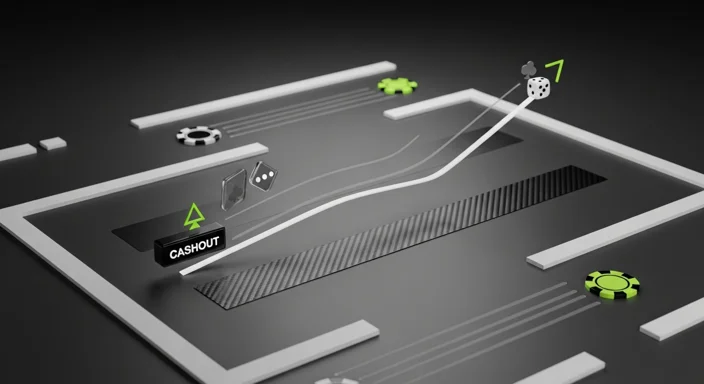
Crash games are fast casino rounds where a multiplier rises and can end (“crash”) at any moment. You choose when to cash out—earlier for smaller, more frequent wins or later for bigger but rarer payouts.
This guide explains how popular 10CRIC crash games like Aviator, Mines game, and JetX generally work, what “volatility” means in practice, and safer crash games strategy principles for beginners.

Crash games are short, repeatable rounds built around one decision: when to exit. A round usually starts at a low multiplier (often around 1.00x) and climbs upward. If you cash out before the crash, your stake is multiplied by the cashout multiplier. If the game crashes before you cash out, you lose your stake for that round.
Why they feel different from slots or roulette:
If you’re brand new, it can help to start with a dedicated overview of Aviator mechanics and bonus usage—see Aviator free bets.
Most crash-style games can be understood with three moving parts:
Your payout (before any game-specific rules) is typically:
Payout = Stake × Cashout Multiplier
Even when a game looks purely skill-based (“I choose when to cash out”), the long-term result is still shaped by probabilities and the game’s built-in expected return. Casinos generally express this as RTP (return to player), and the complement is the house edge.
Important limitations to keep in mind:
These terms show up in crash game discussions and help you compare games and strategies:
A practical takeaway: Lower target cashouts (like 1.2x–1.6x) usually mean more frequent small wins but can still be wiped out by occasional crashes before cashout. Higher targets (like 3x–10x+) are less frequent and can create long losing stretches.
On 10CRIC App, crash-style gameplay appears in a few common formats. Here’s how to think about them before you bet.
| Game | What you do | What makes it risky | Best beginner focus |
|---|---|---|---|
| Aviator | Choose when to cash out as the multiplier rises | Crashes can happen early; chasing big multipliers is tempting | Practice disciplined cashout rules and stake sizing |
| JetX | Similar “rising multiplier” cashout loop | Fast rounds can trigger tilt and over-betting | Slow your pace; pre-set session limits |
| Mines game | Pick tiles to reveal safe spots; cash out anytime | Risk increases with each successful pick | Choose conservative mine counts and cash out earlier |
Aviator is the classic “take-off” crash format: you’re watching a multiplier climb and deciding whether to cash out now or hold for more. Many players use it as their entry point into 10cric crash games because it’s easy to understand and fast.
Good habits for Aviator beginners:
JetX uses the same core idea: a multiplier rises until it crashes. The strategic challenge is less about prediction and more about discipline—sticking to a reasonable risk level over many rounds.
Simple approach: treat JetX like a timed decision game, not a “pattern reading” game.
Mines flips the crash concept into a “stop anytime” tile reveal. Each safe pick increases your potential payout; hitting a mine ends the round.
Why Mines feels different:
A beginner-friendly way to start is to choose a conservative setup and cash out after a small number of safe picks, then reassess.
There’s no guaranteed winning system, but there are principles that reduce avoidable mistakes and keep volatility manageable.
Pick a realistic cashout range (e.g., low multipliers for steadier swings). Enter the round knowing exactly what ‘success’ looks like for that bet.
Use a consistent unit size (for example 1–2% of your session bankroll). This protects you from tilt and from chasing after a crash.
Crash games are fast. Set a maximum number of rounds or a timer so you don’t slide into autopilot.
Write down stake, cashout target, and result for 20–30 rounds. If your plan only works ‘when it feels right,’ it isn’t a plan.
Try this for a first session:
This isn’t about maximizing profit—it’s about building repeatable decision-making.
Most beginner losses come from behavior, not from picking the “wrong” cashout point.
If you’re playing via mobile, make sure you understand installation and account basics—see Is the app safe? for safety considerations and official channels.
Crash games reward discipline because rounds are frequent and emotional swings happen fast.
Practical guardrails:
If you want to deposit or withdraw on 10CRIC, remember that methods like UPI and bank transfer are commonly used, and processing times can vary.
You’ll often see “provably fair” mentioned around crash-style games. In general, provably fair systems are designed so players can verify that a round result wasn’t altered after the fact.
What you can do as a player:
What you cannot do:
Crash games are entertaining but intense—keep stakes small, take breaks, and stop when you reach your planned limit. If playing stops being fun or feels compulsive, pause and contact support.
They’re fast casino games where a multiplier rises and can end suddenly. You decide when to cash out (Aviator and JetX) or when to stop revealing (Mines).
No. You can manage risk with disciplined cashouts, smaller staking, and session limits, but you can’t remove the game’s long-run house edge or variance.
It plays like a stop-anytime risk ladder: each safe pick increases potential payout, and a mine ends the round. The decision point (cash out vs continue) is the ‘crash-style’ element.
Low targets can reduce swings and make it easier to follow a plan, but early crashes can still happen. The best beginner focus is consistent staking and pre-set stop limits.
Past results can look streaky, but they don’t reliably predict future rounds. Treat ‘pattern calling’ as entertainment, not an edge.